When it comes to navigating dietary restrictions, understanding food additives can often feel like a complicated puzzle. One such additive that frequently raises questions is carrageenan, a common thickening and stabilizing agent found in a variety of processed foods. For those with gluten sensitivities or celiac disease, the question arises: Is carrageenan gluten-free? In this blog post, we'll delve into the origins of carrageenan, its uses in food products, and the truth behind its gluten-free status, helping you make informed choices about what you eat.
6 Tips To Make Gluten-free Meal Prep Easier
Meal prepping can be a breeze, even when following a gluten-free diet. Here are six tips to simplify your gluten-free meal prep: First, stock your pantry with gluten-free staples like quinoa, rice, and legumes to ensure you always have a base for your meals. Second, invest in quality meal prep containers that are clearly labeled to avoid any cross-contamination. Third, plan your meals for the week ahead, incorporating a variety of proteins, vegetables, and gluten-free grains to keep things interesting. Fourth, batch cook your proteins and grains, making it easy to mix and match throughout the week. Fifth, utilize freezer-friendly recipes to save time and reduce waste; soups, stews, and casseroles freeze well. Finally, don't forget to read labels carefully, especially for additives like carrageenan, to ensure they align with your gluten-free lifestyle. By following these tips, you can streamline your meal prep process and enjoy delicious, gluten-free meals all week long.
 fitasamamabear.com
 Carrageenan: Food Additive Linked To Diabetes
Carrageenan, a common food additive derived from red seaweed, has sparked considerable debate regarding its safety and health implications, particularly its potential link to diabetes. Often used as a thickening and stabilizing agent in various food products, carrageenan can be found in items like dairy alternatives, processed meats, and sauces. While it is labeled as gluten-free, some studies suggest that carrageenan may trigger inflammation and digestive issues, raising concerns about its long-term effects on metabolic health. As consumers become more health-conscious, understanding the implications of additives like carrageenan is crucial for making informed dietary choices. Whether you're avoiding gluten or simply looking to enhance your overall wellness, it's essential to weigh the benefits and risks associated with this controversial ingredient.
 www.scientificwellness.com
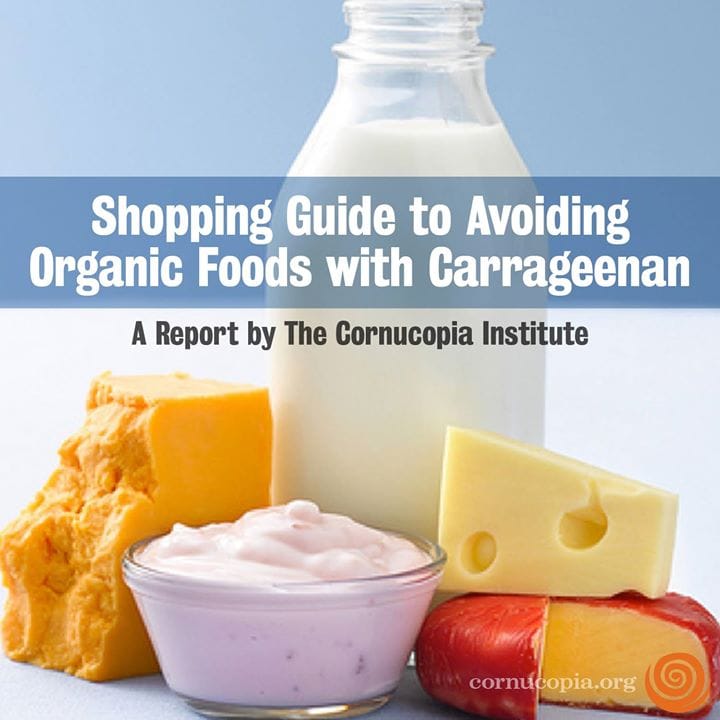
 You Don't Have To Eat Carrageenan: Finding Alternatives To A Toxic Food
If you're concerned about the potential health risks associated with carrageenan, you're not alone. Many people are looking for alternatives to this controversial food additive, which is often found in dairy products, plant-based milks, and processed foods. Fortunately, there are plenty of options available that can help you avoid carrageenan without sacrificing flavor or texture. For instance, you can opt for natural thickeners like agar-agar, arrowroot powder, or cornstarch, which can provide similar consistency in recipes. Additionally, many brands are now offering carrageenan-free products, making it easier than ever to enjoy your favorite foods without the worry of consuming this potential toxin. By exploring these alternatives, you can take control of your diet and make informed choices that align with your health goals.
 www.cornucopia.org
 20 Foods You Think Are Gluten-free But Aren't
When navigating the world of gluten-free foods, it's essential to be aware that not everything labeled as "gluten-free" is safe for those with gluten sensitivities or celiac disease. For instance, many people mistakenly believe that certain foods like soy sauce, malt vinegar, and even some types of processed cheese are gluten-free, but they can contain hidden gluten sources. Additionally, items such as certain salad dressings, flavored chips, and pre-packaged soups may include gluten-containing ingredients or cross-contamination risks. Others, like certain brands of ice cream, energy bars, and even some breakfast cereals, can also pose a problem. It's crucial to read labels carefully and be cautious with seemingly innocent foods like oats, which can be contaminated with gluten during processing. Understanding these pitfalls can help you make safer choices and avoid unwanted gluten exposure in your diet.
 www.msn.com
 Why Gluten-free Foods Aren't All They're Cracked Up To Be
While gluten-free foods have gained immense popularity in recent years, they aren't always the healthful alternatives they're marketed to be. Many gluten-free products are heavily processed and can contain high levels of sugar, unhealthy fats, and additives that may not be beneficial for your health. Additionally, the absence of gluten doesn't necessarily mean a product is nutritious; in fact, some gluten-free foods can be lower in fiber and essential nutrients compared to their whole-grain counterparts. As consumers navigate the gluten-free landscape, it's crucial to scrutinize ingredient labels and focus on whole, unprocessed foods rather than relying solely on gluten-free labels, which can sometimes be misleading. This is especially pertinent when considering additives like carrageenan, which may also pose health concerns, regardless of gluten content.
 drperlmutter.com
 You Might Also Like: Does Magnesium Help Hangovers Science
Related tags: Gluten free diet concept, Is going gluten-free good for you?, Is carrageenan a safe food additive for gluten free foods?, Gluten free ingredient infographic, Why gluten-free food is not the healthy option and could increase your, Why gluten-free foods aren't all they're cracked up to be


